One Family,
One Cow 🐄
Contribute to the service of Gomata. Sponsor a cow, join a Gaushala and keep India's sacred tradition alive.
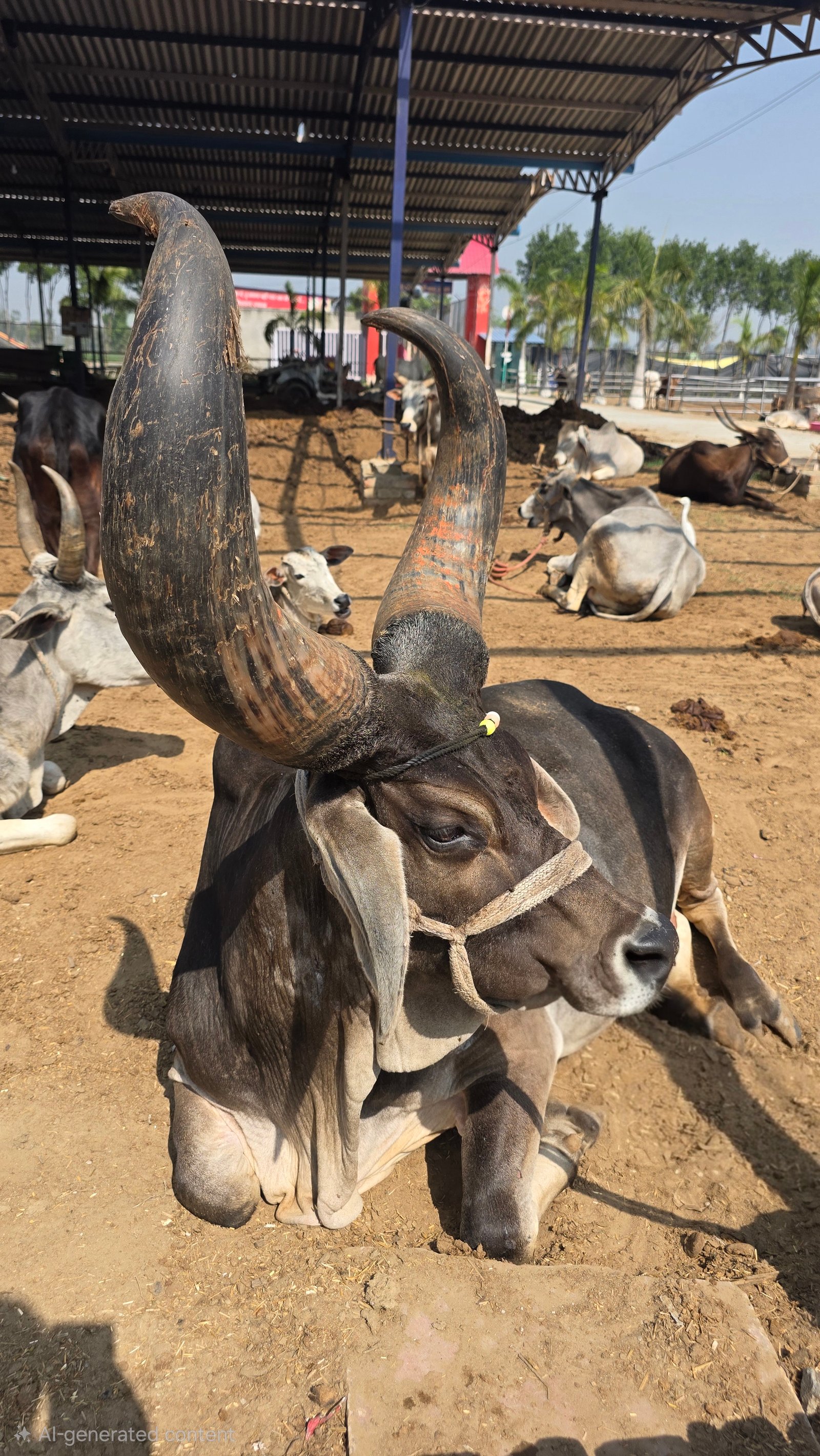
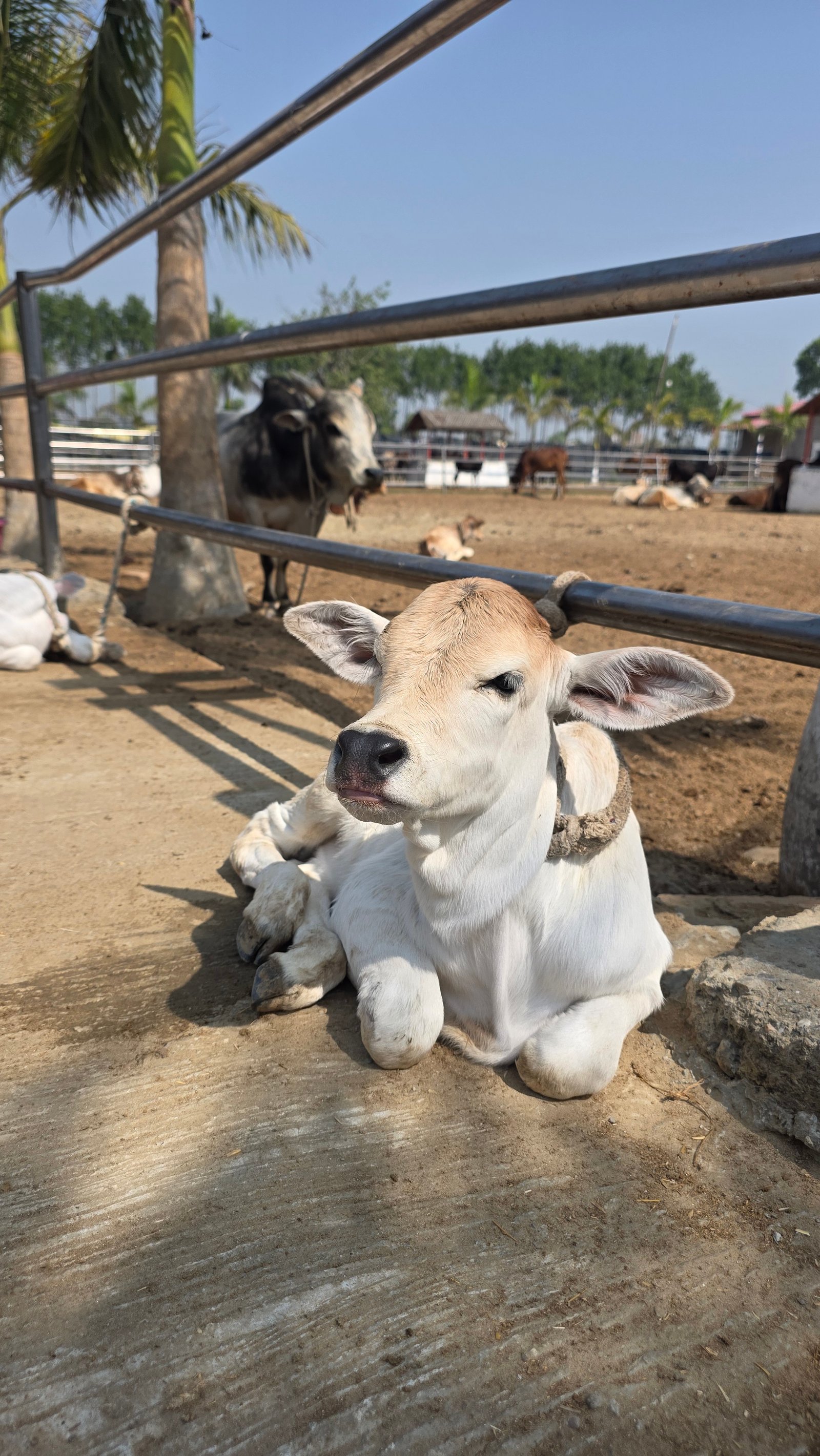
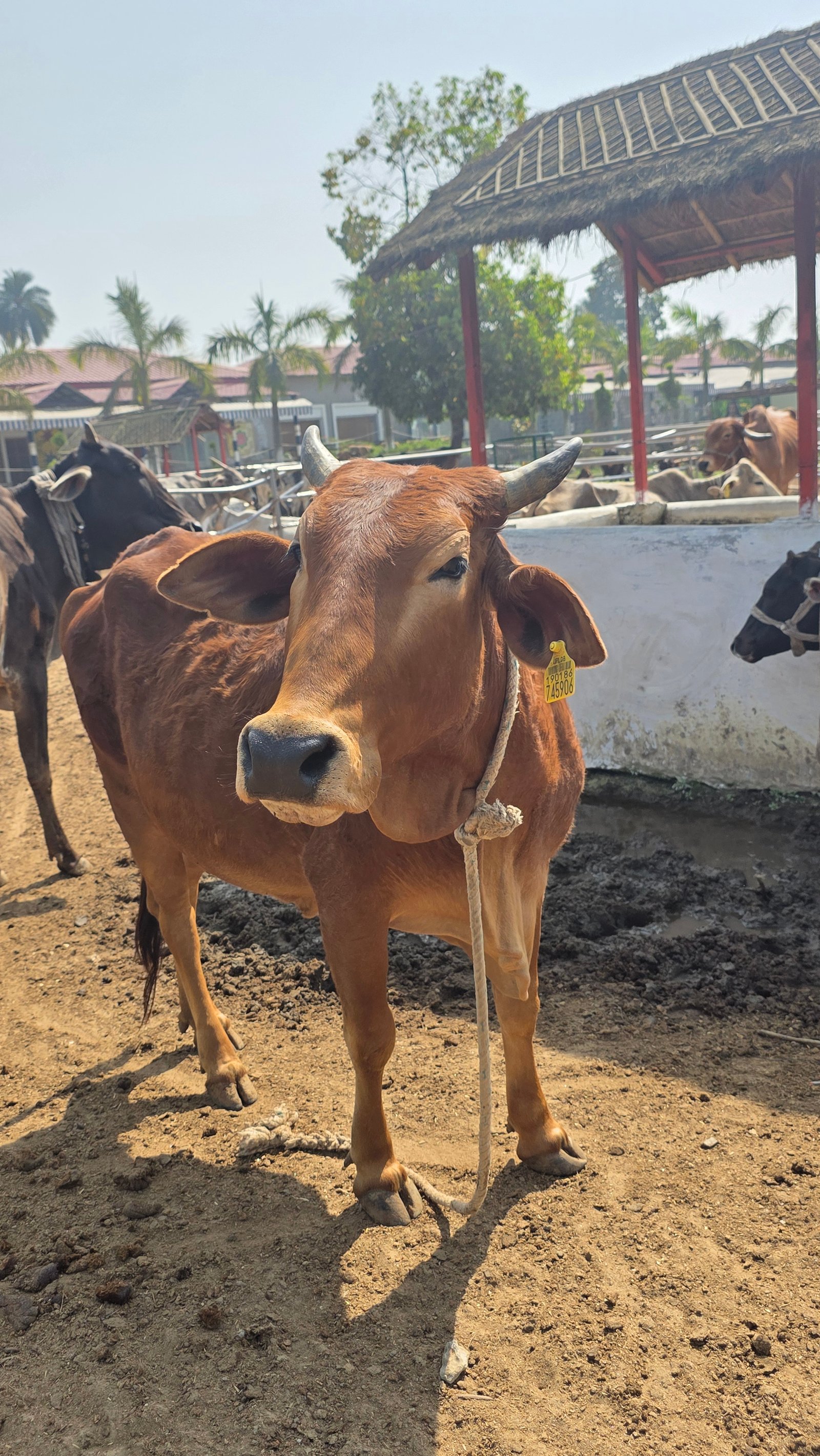
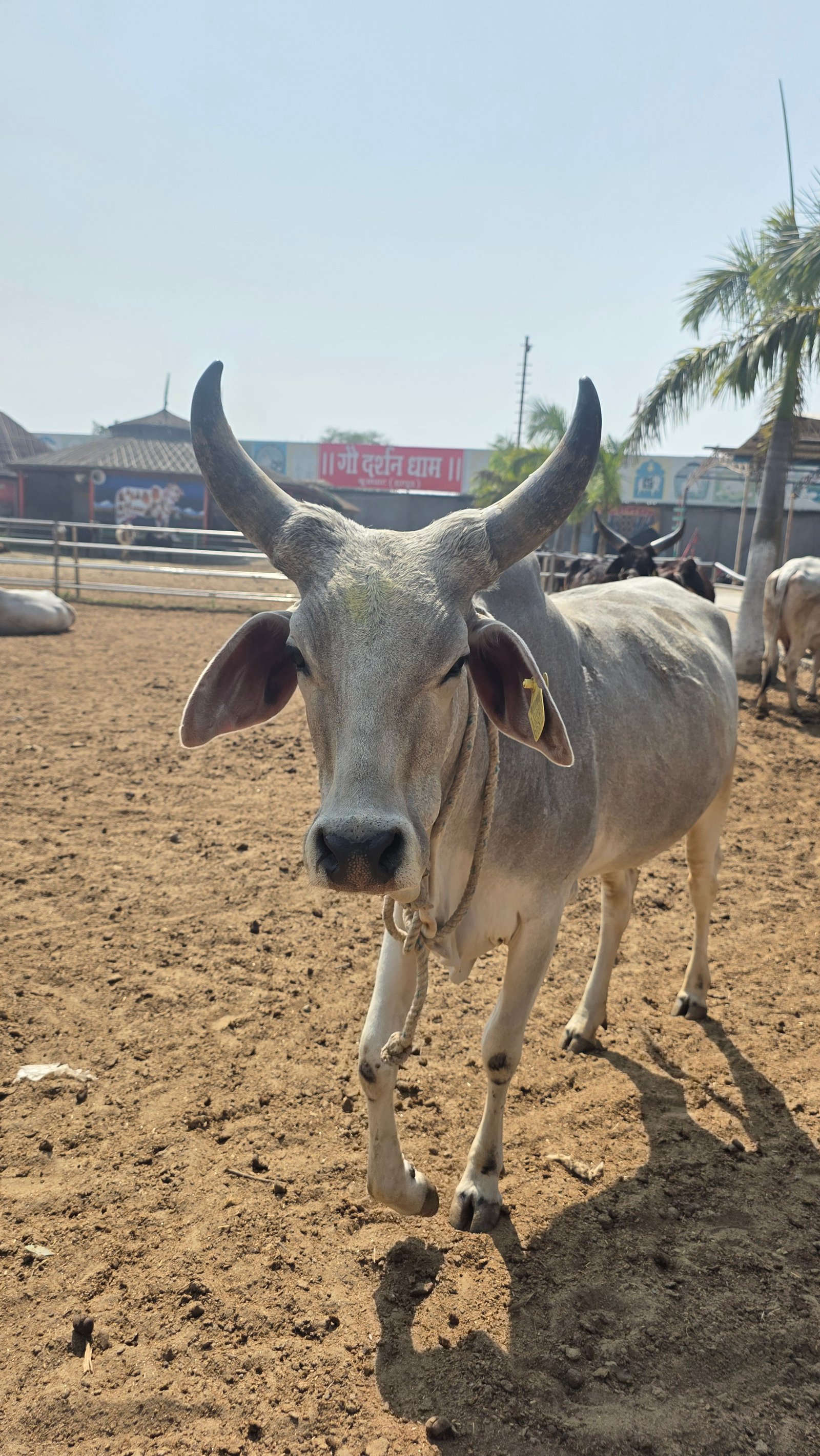
Glimpses of Seva
Witness the love, care, and dedication across our gaushalas.
Active Campaigns
Support specific causes directly. Every small contribution helps us reach our goal.
Gau-Mata Aarti & Sewa Sponsorship
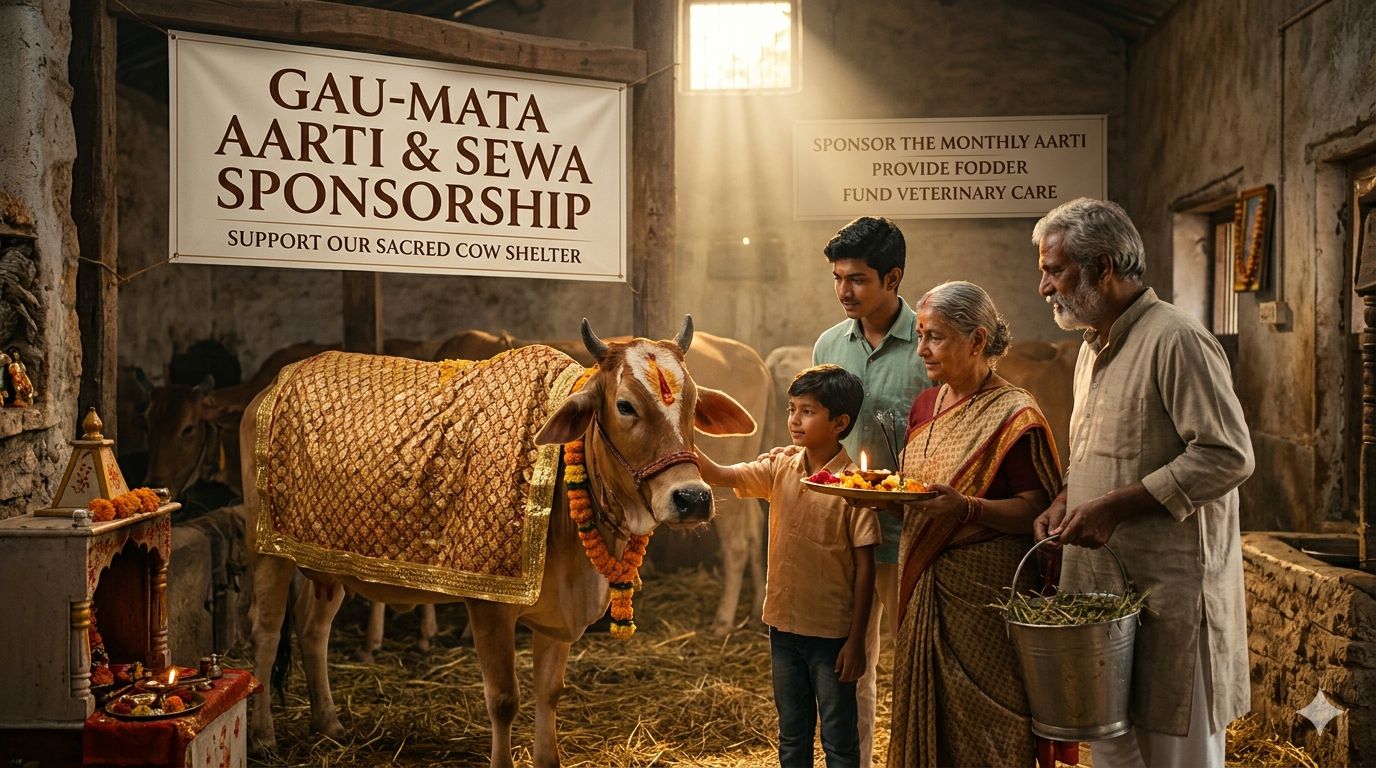
In Hinduism, the cow is revered not merely as an animal, but as Gau Mata (Mother Cow)—a sacred being embodying divinity, purity, and selfless service to humanity. While this reverence stems from deep spiritual roots, its practical application, especially in an urban environment like Delhi, faces unique challenges. The dual practices of Gau Mata Aarti (ritual worship) and Sewa (active service) are vital ways devotees express their devotion and ensure the well-being of these sacred creatures. Gau Mata Aarti: The Ritual of Adoration Gau Mata Aarti is a ritualistic worship that venerates the cow as a living deity. It is a powerful expression of gratitude and reverence. Significance: In Hindu cosmology, all deities and cosmic elements are believed to reside within the form of the cow. Performing Aarti is a way to acknowledge this inherent divinity. It is often believed that performing Gau Aarti can bring peace, prosperity, and spiritual merit. The Ritual (Aarti): Preparation: The ceremony often takes place at a Gaushala (cow shelter), a temple, or sometimes in traditional homes. The cow chosen for worship is bathed, groomed, and decorated with garlands of marigolds, turmeric, and vermilion tilaks on her forehead. The Ceremony: A circular tray (thali) holding a lit oil lamp (diya), flowers, incense, and camphor is used. The worshiper circles the lamp clockwise around the cow's face several times, often to the accompaniment of devotional songs (bhajans) and hymns dedicated to Gau Mata. Offerings: Following the light ritual, offerings (prasad) are made. These typically include fresh green fodder, bananas, jaggery (gur), and sweetened rotis. This act of feeding symbolizes sharing one's resources with the divine mother. Context in Delhi: Throughout Delhi, many local neighborhood temples maintain a cow or have dedicated spots where devotees gather, especially on auspicious days like Ekadashi or Gopa Ashtami, to perform the Aarti. It serves as a moment of quiet connection and spiritual grounding amidst the urban rush. Gau Mata Sewa: The Path of Compassionate Action While Aarti is the ritualistic devotion, Gau Mata Sewa is the practical application of that devotion through active, compassionate service. Sewa (service) is considered the highest form of worship in Hinduism, especially when directed toward those who cannot speak for themselves. The Scope of Sewa: Daily Care: This is the most direct form of service, typically carried out within Gaushalas. It involves the rigorous physical labor of feeding, watering, cleaning the living quarters, and ensuring the general comfort of the cows. Medical Care: Many cows in shelters are elderly, injured (often in street accidents), or suffering from illness (such as plastic ingestion). Sewa includes funding or assisting with veterinary treatments, wound dressings, and chronic condition management. Financial Support: For those who cannot physically assist, Sewa manifests as donating funds to established Gaushalas like Nandi Shala or sponsoring specific cows. This ensures they have regular nutrition, shelter, and medical attention. The Need in Delhi: The plight of abandoned bulls and cows in a large metropolis like Delhi highlights the urgent need for Sewa. With decreasing grazing lands and changing dairy economics, many animals are left to forage in landfills. Gaushalas serve as vital sanctuaries. The Impact of Sewa: Performing Gau Mata Sewa is believed to cleanse the heart, foster humility, and cultivate a sense of responsibility toward all living creatures. It transforms abstract devotion into concrete, beneficial action. Bridging Faith and Responsibility In the heart of Delhi, the smoke of Aarti from neighborhood temples often mingles with the dusty reality of the streets. Gau Mata Aarti and Sewa are two sides of the same spiritual coin, balancing the internal devotion with the external responsibility. While the ritual provides a moment of spiritual communion, Sewa ensures that the object of that devotion—the living Gau Mata—receives the tangible care, dignity, and compassion she deserves, especially when the sacred ideal confronts the modern urban reality. Supporting these initiatives is an active way to maintain the ancient connection between the community and its sacred protector.
Surabhi Jayanti: Festival Special Feast
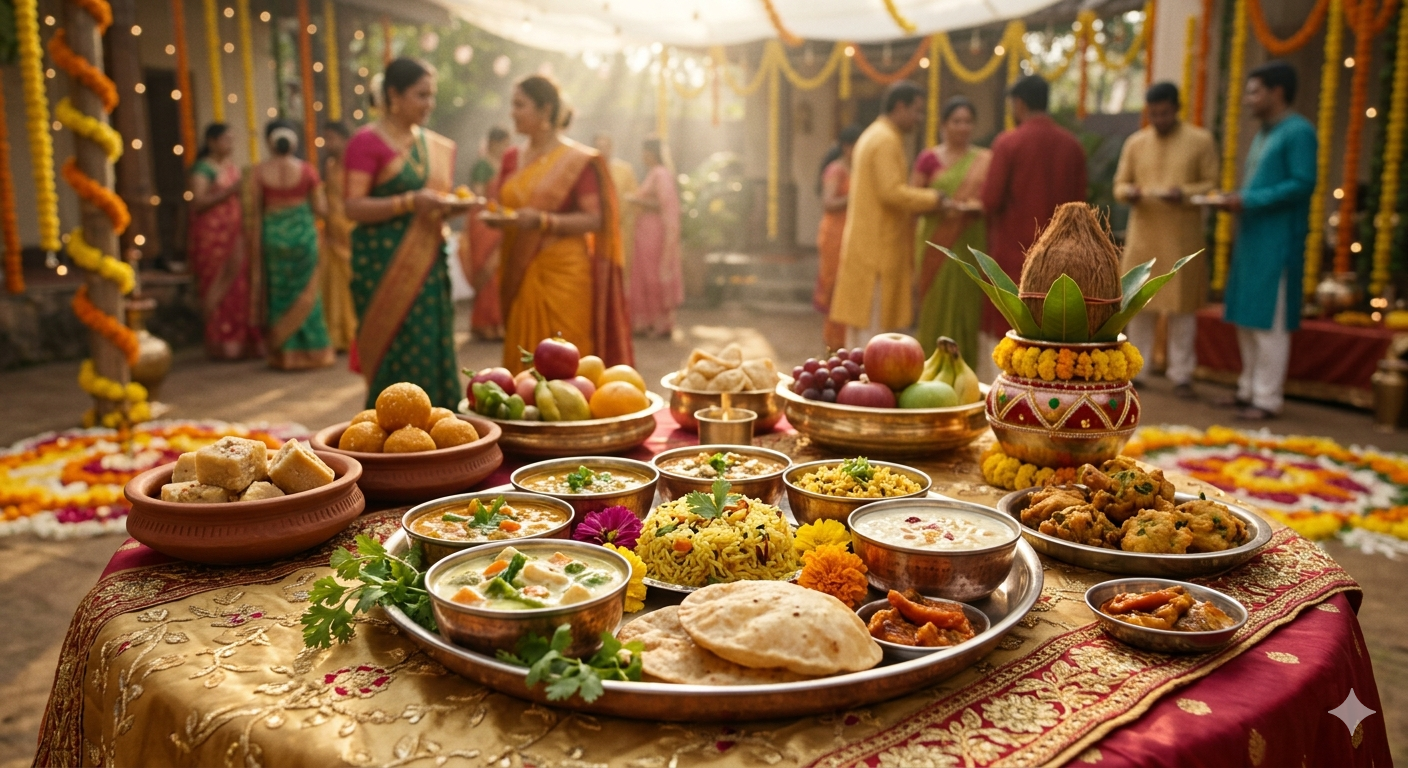
Surabhi Jayanti, the auspicious celebration of the birth of the divine cow, Surabhi, is a time of joy, devotion, and community across India. This sacred day, typically observed on the day of Ekadashi (the eleventh day) of the bright fortnight in the Hindu month of Kartika, honours the cow as a symbol of abundance, purity, and universal motherhood. The spirit of Surabhi Jayanti lies in acknowledging the cow's invaluable contribution to human life, sustenance, and the natural ecosystem. The festival is marked by elaborate rituals, devotional offerings, and expressions of gratitude towards cattle, reinforcing the ancient and profound bond shared between humans and these gentle, giving creatures. The Sacred Traditions of Surabhi Jayanti On this holy day, festivities begin early in the morning as families gather to honour their local cows or visit communal Gaushalas (cow shelters). The cows are ritually adorned with fragrant garlands of marigolds and fresh leaves, and their foreheads are marked with auspicious tilak (sandalwood paste and vermilion). The central act of worship is the offering of traditional, wholesome food to the cow, known as Gau Puja. Special, festive delicacies are prepared with care and devotion, symbolizing the bounty and nourishment that cows provide. These offerings typically include nutritious, green fodder, sugarcane, sweetened flatbreads, and traditional sweets made from cow's milk and ghee. Across the country, communities organize processions (shobha yatras) with decorated cows and bulls, to the accompaniment of devotional music and bhajans. Temples dedicated to Lord Krishna, the divine cowherd, see large congregations of devotees who seek the blessings of the divine mother cow. Special discourses are also held, emphasizing the spiritual significance of the cow in Hindu philosophy and the importance of compassionate care for these animals. A Feast of Abundance and Devotion The festive special feast prepared for Surabhi Jayanti is a beautiful reflection of the day's spirit—a grand offering that celebrates the sacred nature of the cow and the abundant blessings she bestows. While the primary Gau Puja involves feeding the cows themselves with festive preparations, a traditional, vegetarian feast is also shared among devotees and the community, embodying the joy of the occasion. This grand prasad (sacred offering) often includes: Traditional Sweets: A range of milk-based and flour-based sweets, like laddoos, pedas, and kheer, made with pure cow’s ghee and milk, are central to the feast, signifying prosperity and divine blessing. Nutritious Savories: Various types of bhajiyas (fritters), pakoras, and savory pancakes made with lentils and seasonal vegetables are prepared. Flavored Rice and Flatbreads: Special dishes like vegetable pulao and traditional flatbreads (puris or parathas) are offered. Lentil Stews and Vegetable Curries: Hearty preparations with lentils and a variety of vegetables form part of the substantial meal. The Surabhi Jayanti feast is more than just a culinary experience; it is a spiritual sharing that fosters a deep sense of gratitude, compassion, and community spirit. It serves as a reminder to respect all life, nurture our resources, and live in harmony with nature, just as the divine cow, Surabhi, nourishes all. By celebrating this festival, we not only honour the sacred cow but also reaffirm our dedication to the values of kindness and stewardship toward the animal kingdom.
Nandi Shala: Shelter for Abandoned Bulls
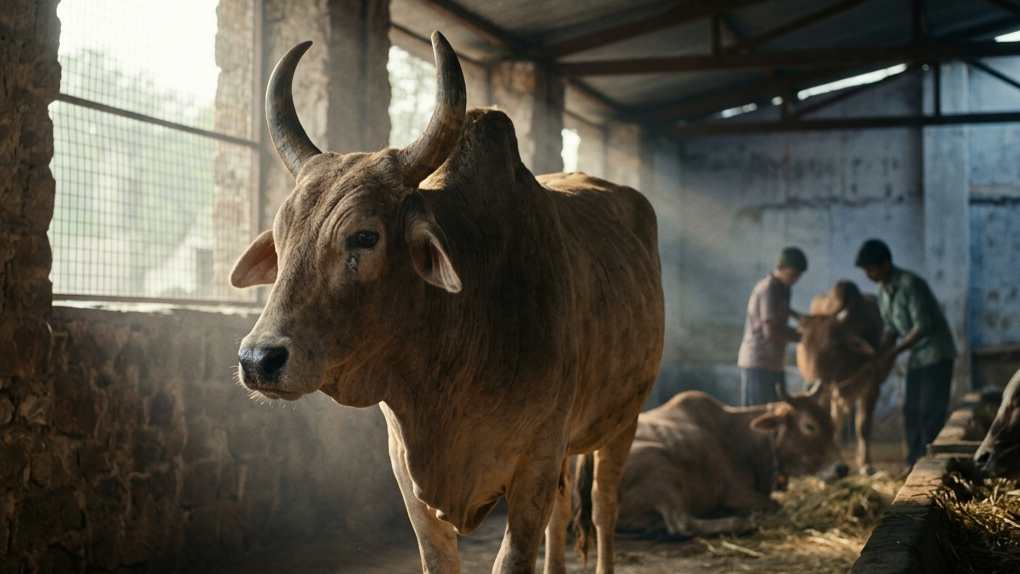
In the heart of bustling Delhi, where the sacred and the modern intersect, the fate of the city's bulls often goes unnoticed. Yet, a silent crisis unfolds daily, leaving these majestic creatures to navigate the unforgiving urban landscape alone. In Hinduism, the bull is deeply venerated as Nandi, the sacred mount of Lord Shiva. This reverence makes the plight of abandoned bulls in a city like Delhi particularly poignant and challenging to address. The Sacred, Yet Forsaken Nandi, often depicted as a powerful white bull with a gentle gaze, embodies strength, devotion, and unwavering faith. Statues of Nandi are a common sight guarding the entrances of Shiva temples throughout Delhi, where devotees pay their respects before entering. Yet, this deep spiritual significance often stands in stark contrast to the reality for many of the city's living bulls. Traditionally, male calves, especially those not used for draught purposes in an increasingly mechanized agriculture, are seen as less economically valuable than milk-producing cows. In many parts of India, including Delhi, social and religious norms against cow slaughter can lead to the abandonment of male calves and aged bulls. These bulls are often left to roam the busy streets of the capital, facing traffic accidents, plastic ingestion, disease, and starvation. The sight of a majestic Nandi, once a symbol of divine grace, foraging in a garbage dump is a heartbreaking irony. Life on Delhi's Streets For an abandoned bull, Delhi's streets are a hazardous terrain. They compete with traffic, often causing or falling victim to accidents. Ingestion of non-biodegradable waste, particularly plastic bags, is a common and painful cause of death. Lack of consistent access to food and clean water, combined with untreated injuries and diseases, leads to immense suffering. These animals, once part of a farm or a dairy, are thrust into a world where they are often viewed as nuisances rather than sacred beings. The Role of Shalas and Shelters in Delhi Recognizing this critical need, organizations like Nandi Shala: Shelter for Abandoned Bulls have emerged in and around Delhi. These sanctuaries provide a vital lifeline, offering refuge and a second chance at a dignified life for these forgotten creatures. Nandi Shala: Shelter for Abandoned Bulls functions as more than just a place of confinement. These are spaces of healing and rehabilitation. Medical Care: Upon arrival, bulls often require immediate and sometimes extensive medical attention. From treating injuries sustained in road accidents to addressing chronic conditions and parasitic infections, veterinary care is paramount. Nutrition and Shelter: For perhaps the first time in months or years, these bulls are guaranteed regular, nutritious meals and a safe, clean place to rest, sheltered from Delhi's extreme heat and monsoon rains. A Sense of Community: Bulls are social animals. In the shelter, they are integrated into a herd, allowed to interact with others, and form bonds, which is crucial for their psychological well-being. A Dignified Existence: Free from the dangers of the street and the pressure of work, they can live out their lives with the respect they deserve, embodying the true spirit of Nandi. The Ongoing Commitment Running a dedicated shelter like Nandi Shala: Shelter for Abandoned Bulls is a monumental task, requiring consistent resources, dedicated staff, and the unwavering support of the community. It involves not just care for the existing residents but also public outreach and advocacy to address the root causes of abandonment. The existence of Nandi Shala: Shelter for Abandoned Bulls is a testament to the fact that, even in the face of urban indifference, the ancient values of compassion and respect for all life can still find a home. These sanctuaries stand as a beacon of hope, not only for the bulls they rescue but also as a reminder to society of the profound responsibilities that come with veneration. Supporting such an initiative is a direct way to bridge the gap between faith and action, ensuring that every Nandi can live a life of peace and dignity.
🐄 Sponsor a Cow
These cows are waiting for your love and support
How Does It Work?
Join as a partner in Gauseva in three easy steps
Choose a Cow
Pick your favourite cow from our list and learn her story.
Donate
Send your monthly sponsorship amount via secure payment.
Get Updates
Receive regular photos and health updates of your sponsored cow.
Donation Plans
Choose a plan that fits your ability to help save, shelter, and feed innocent cows. Every contribution brings a blessing.
Our Cause
Choose a Plan to Support Gaudaan
Join us in our mission to protect and care for our sacred cows. Every contribution brings a divine difference.
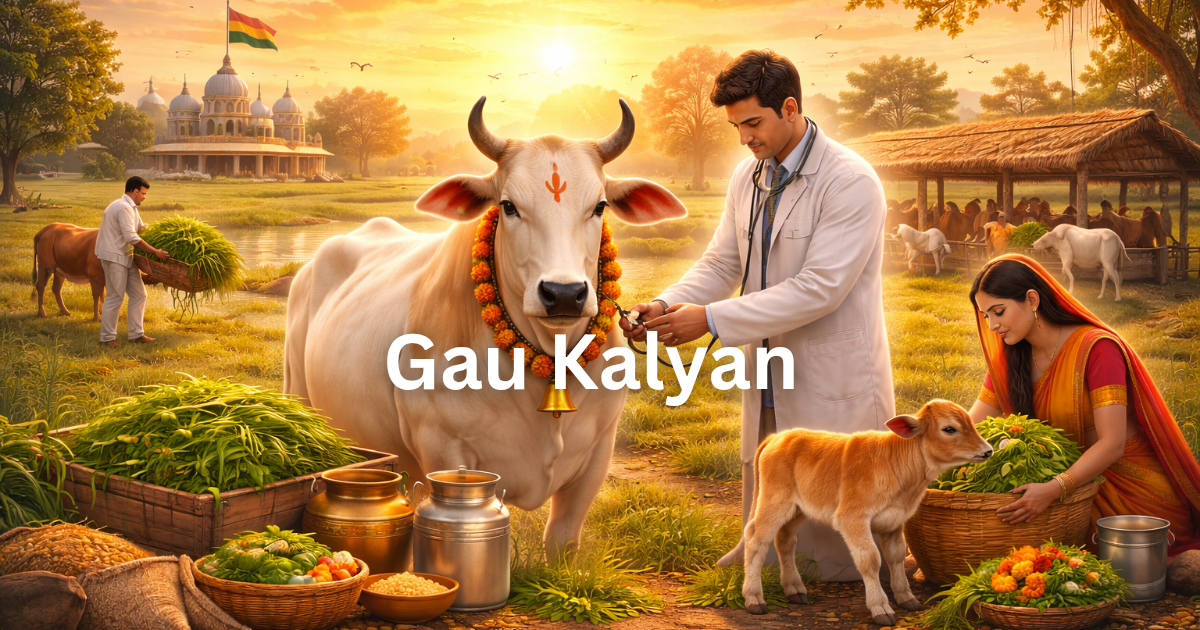
Gau Kalyan
Rs 11k - 10cr
Supports overall Gaushala development including land, infrastructure, shelter, medical care, and general cow welfare.
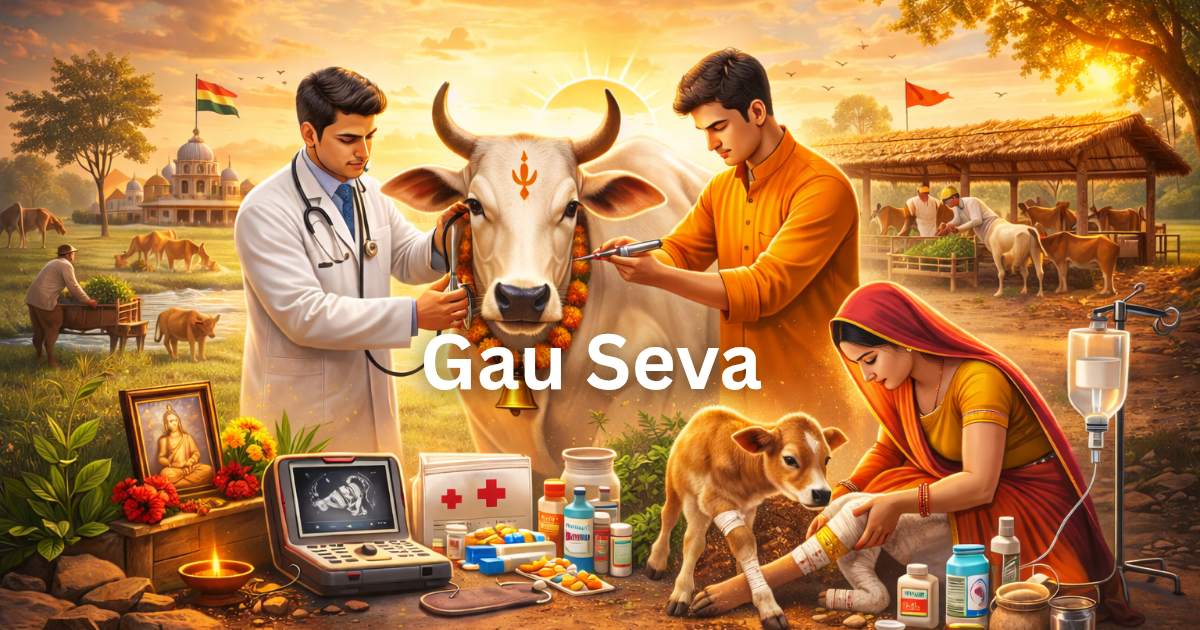
Gau Seva
Rs 100 - 100000 anytime
Allows donors to contribute toward daily cow care. Donors can sponsor fodder, medicines, groceries, or donate the product value for proper feeding and healthcare.
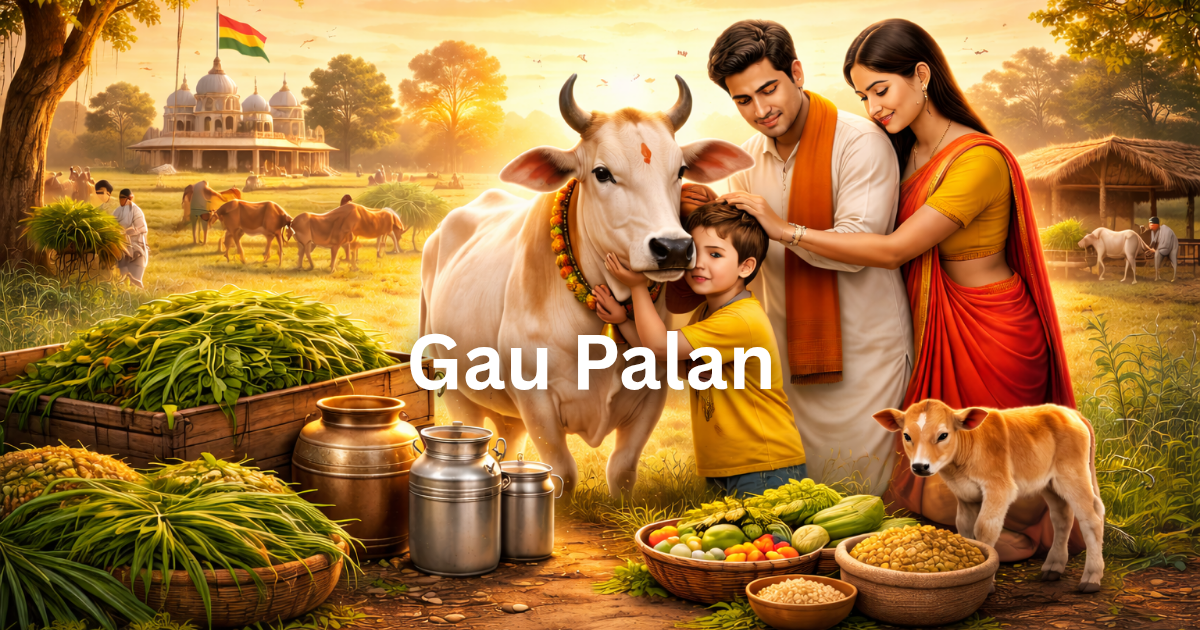
Gau Palan
Rs 2100 per month
Enables a family or individual to adopt a specific cow and sponsor its monthly or yearly care, with updates and reports provided.
- Receive regular photo/video updates
- Personalized adoption certificate
- Tax exemption benefits(80G)
Gaudaan is a registered non-profit. All donations are tax-exempt under 80G.
💬 What Our Donors Say
Experiences of those who have already joined
📖 Latest Articles
About Gomata, Ayurveda and our culture
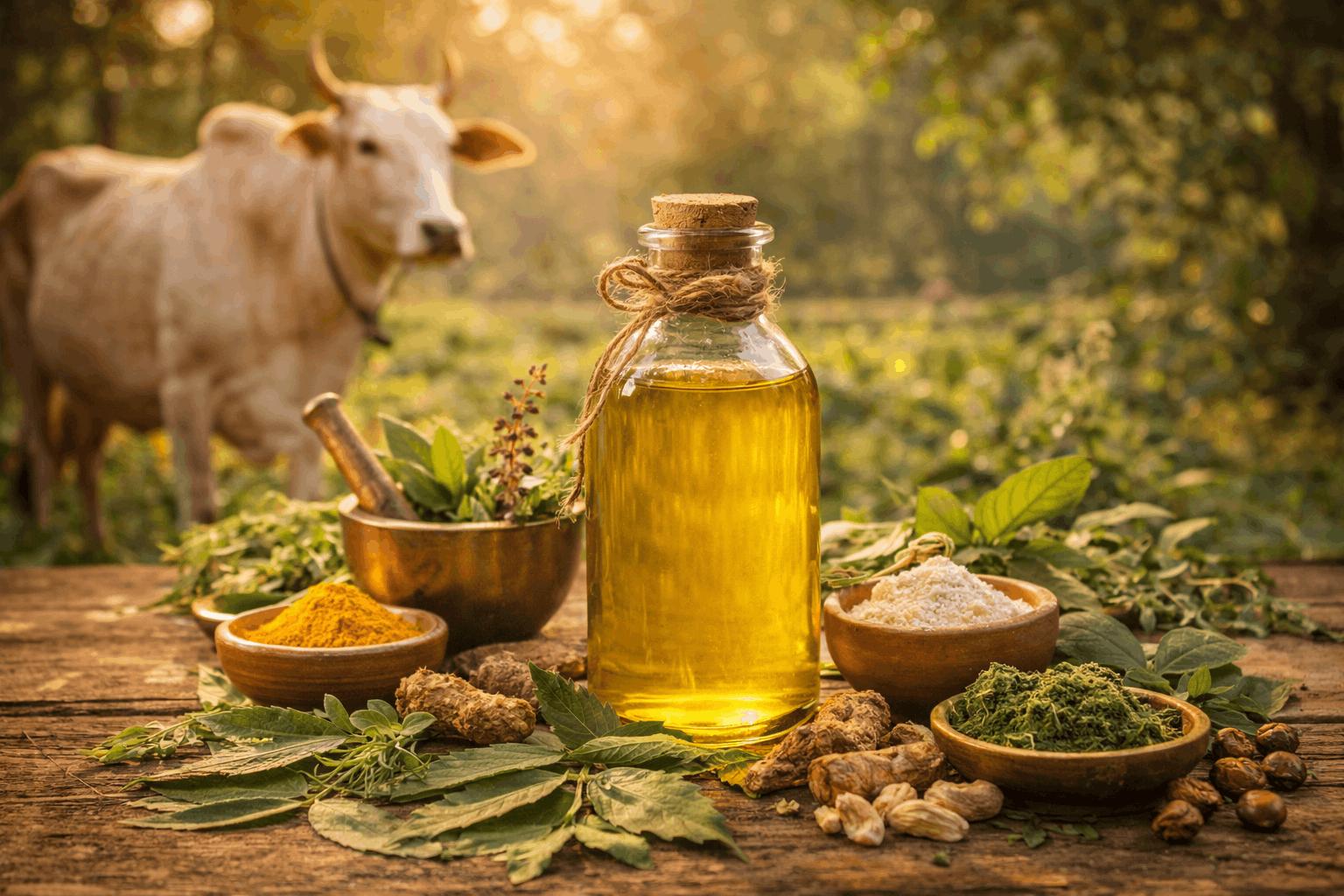
गोमूत्र के 7 चमत्कारी औषधीय गुण जो विज्ञान ने भी माने
आयुर्वेद में हजारों वर्षों से गोमूत्र का उपयोग औषधि के रूप में होता आया है। आधुनिक विज्ञान भी अब इसके अनेक गुणों को प्रमाणित कर रहा है।
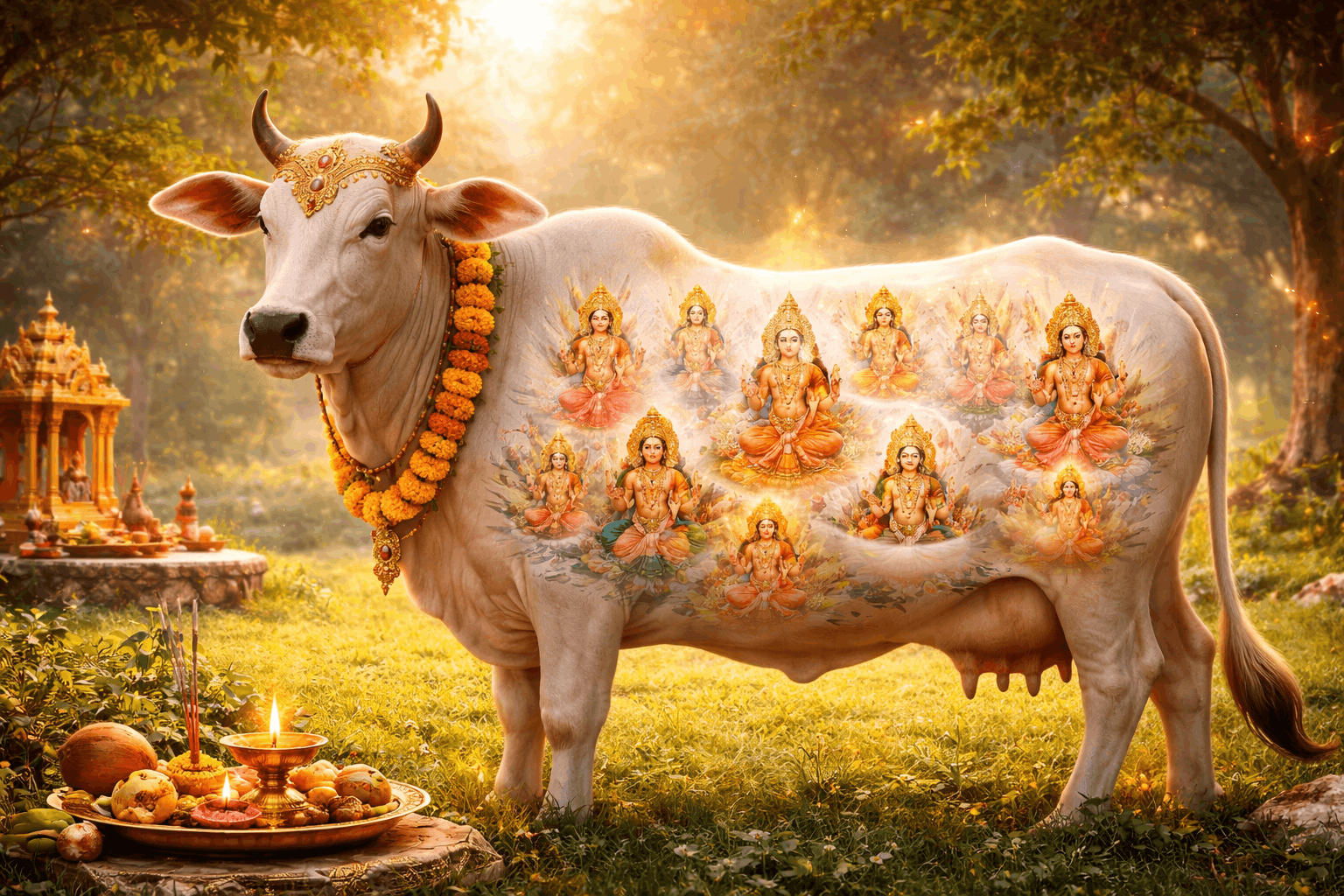
गाय में 33 करोड़ देवताओं का वास — पौराणिक और आध्यात्मिक महत्व
हिंदू शास्त्रों के अनुसार गाय में 33 करोड़ देवताओं का निवास है। गाय की सेवा और पूजा का आध्यात्मिक महत्व क्या है — जानिए इस विस्तृत लेख में।
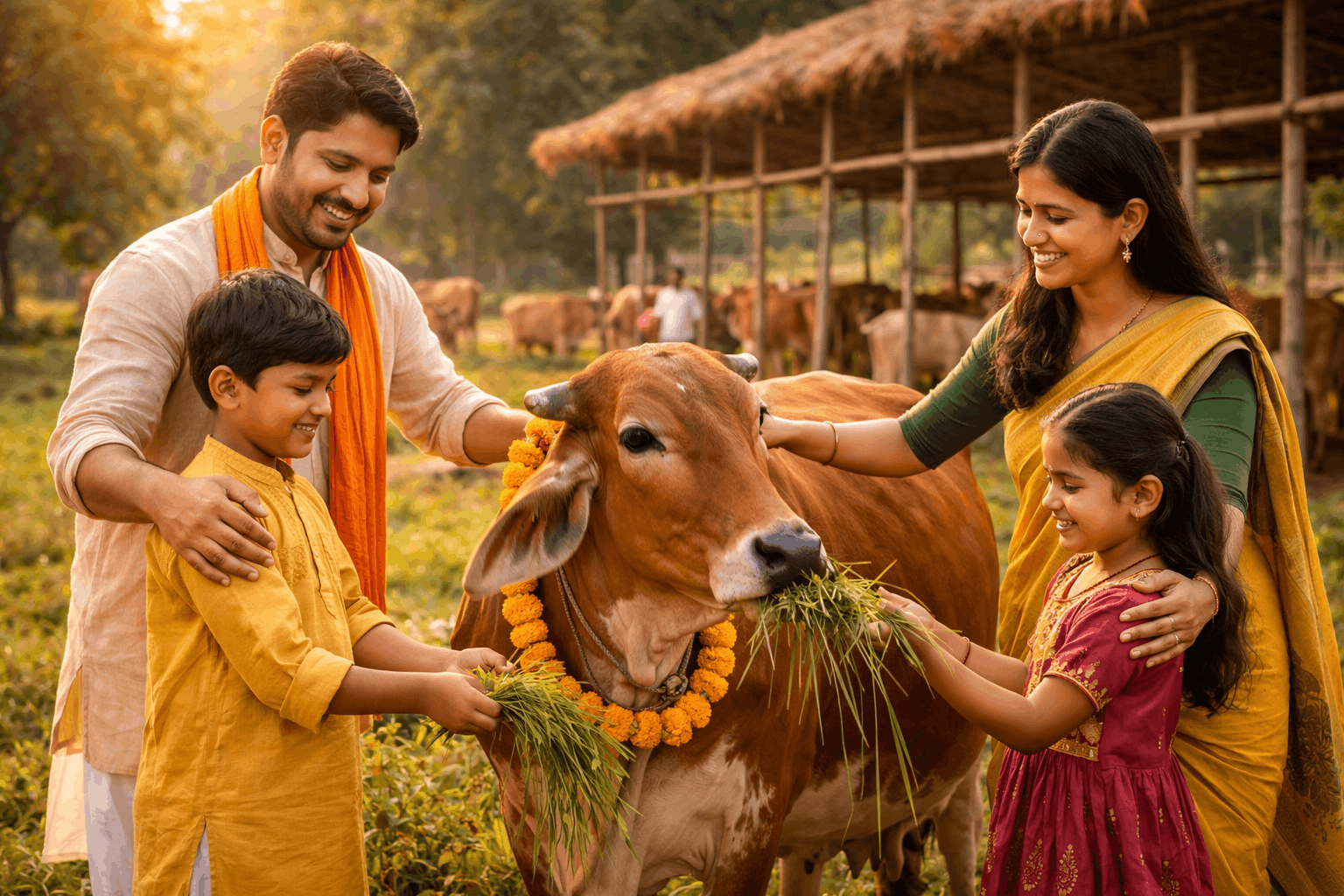
एक परिवार एक गाय — भारत की प्राचीन परंपरा को पुनर्जीवित करना
भारतीय सभ्यता में गाय केवल एक पशु नहीं, बल्कि माँ का स्थान रखती है। "एक परिवार एक गाय" अभियान इसी पवित्र परंपरा को आधुनिक युग में जीवंत करने का प्रयास है।
Join Today — Serve Gomata
One step from you will make a cow's life better. Starting from just ₹1,100/month.